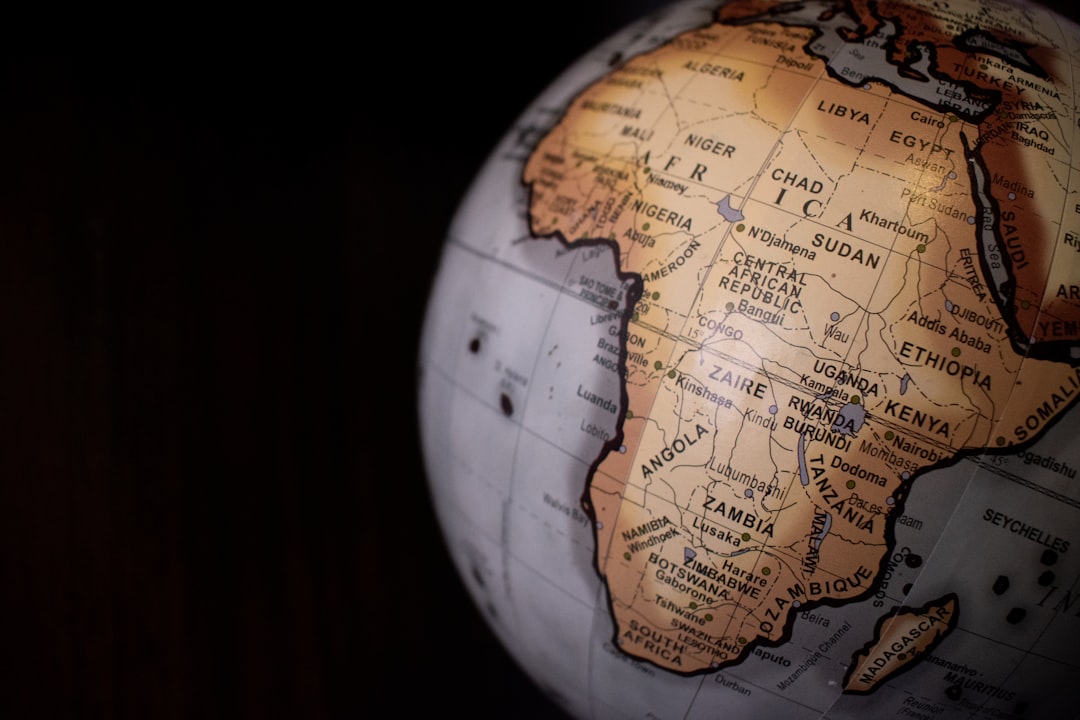
Kenya just taught Silicon Valley an uncomfortable lesson: African governments are not obligated to bend their infrastructure around foreign AI ambitions. President William Ruto's suspension of the Microsoft-G42 data center project—a $1 billion facility that would have consumed nearly one-third of the country's entire electricity grid—marks a rare moment of calculated restraint in a continent often pressured to say yes to Big Tech Source: ThinkGeoEnergy.
The decision exposes a structural flaw in how digital infrastructure partnerships are pitched to African states. Microsoft and G42 arrived with capital, geothermal branding, and promises of jobs. What they required in return was a guarantee that Kenya would reserve 1,000 megawatts of power—against a national grid of just 3,000 megawatts—and absorb the financial risk if demand fell short. The Kenyan National Treasury refused, and the Ministry of ICT's funding request was quietly shelved by August 2025, months before the public announcement Source: Mjengohub.
This was not a failure of ambition. It was a refusal to mortgage public resources for private computation. Had Kenya agreed to the payment guarantees, taxpayers would have underwritten the reserve margin for a foreign-owned AI data center while ordinary citizens faced potential brownouts. The arrangement would have quietly transferred infrastructure risk from a trillion-dollar corporation to a developing economy still working to extend reliable electricity beyond urban centers.

Critics will frame this as Kenya losing out on foreign investment or failing to compete in the global AI race. That narrative misses the point. The suspension reflects a maturing calculation: that not all investment is good investment, and that infrastructure partnerships must serve national development priorities before they serve corporate compute strategies. Kenya chose energy stability and fiscal prudence over the optics of a headline-grabbing tech deal.
The geopolitical dimension is harder to dismiss. Washington has positioned the Microsoft-G42 partnership as a counterweight to Chinese infrastructure influence in East Africa. Walking away from the project risks diplomatic friction with a key Western ally. But sovereignty means little if it cannot include the right to say no when the terms don't align with state capacity.
African governments face relentless pressure to position themselves as AI-ready, data-center-friendly, and open for Big Tech business. Kenya's decision suggests a different path: one where digital infrastructure development proceeds at the pace national grids can sustain, where public guarantees are not quietly extracted as the price of participation, and where governments assess deals based on what their citizens can afford to underwrite—not what foreign investors want guaranteed.
Other African states negotiating similar partnerships should take note. The question is not whether to engage with global tech firms. It is whether to do so on terms that treat national infrastructure as a public asset, not a subsidy for someone else's cloud.