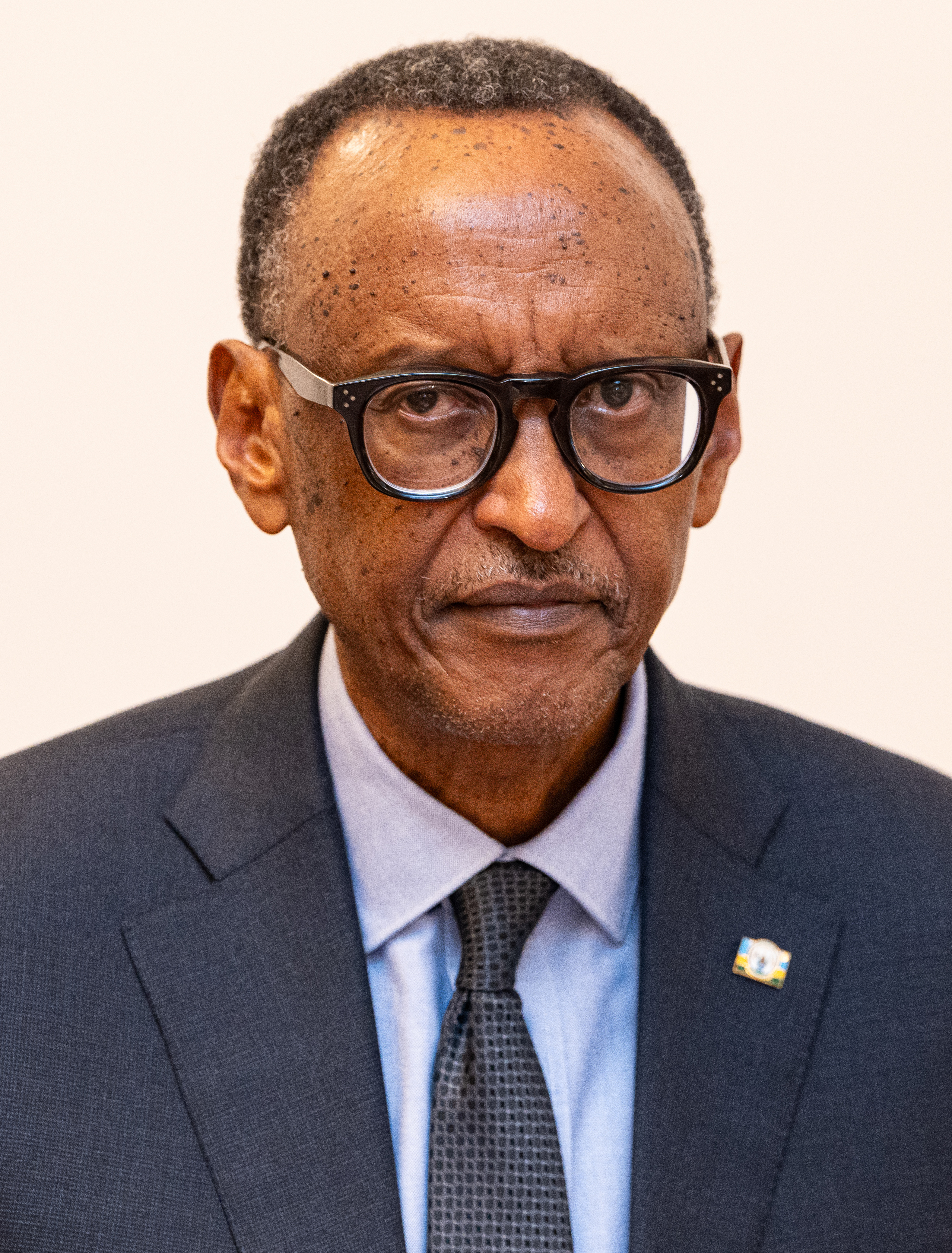
African AI startups have never had a unified regulatory environment to operate in. They have built products that cross borders anyway — routing payments, processing languages, serving users from Kigali to Cairo — while operating under a patchwork of national rules that share no common definition of liability, data sovereignty, or algorithmic accountability. Rwanda and Egypt's decision to draft a formal AI cooperation agreement after Cairo talks changes that baseline, however incrementally. Source: iAfrica.com
This is the first documented formal AI governance accord between African nations. That fact alone compels attention — not because a draft agreement in itself changes anything for a founder in Accra or a regulator in Nairobi, but because it establishes a precedent architecture. Whether that architecture becomes a continental scaffold or a bilateral silo is the question African tech actors must force into the open now, before the template hardens.
What the agreement is — and is not
The confirmed facts are thin. Rwanda and Egypt held high-level talks in Cairo and are drafting an AI cooperation agreement. The scope, enforcement mechanisms, timeline, and whether the text will be made public are all undisclosed. The agreement has not been ratified. Nothing in the available sourcing confirms whether it covers data localisation, cross-border AI talent mobility, regulatory equivalence, compute infrastructure investment, or AI safety standards. Each of those questions carries a different set of winners and losers across the continent.
That ambiguity is not a reason to wait. It is the precise moment when African stakeholders — startup founders, investor groups, the African Union's Digital Transformation Strategy secretariat, and national data protection authorities — need to register their interests before the draft is finalised.
The bilateral trap
Africa's AI governance gap is structural. The continent has no pan-continental AI standards body with binding authority, no shared liability framework for algorithmic harm, and no unified visa or credential-recognition pathway for AI talent crossing borders. That vacuum has not stopped startups from building cross-border products. Kenya's Fikra API, for instance, is already delivering AI inference to developers across the continent with M-Pesa settlement built into the stack — a product that operates across jurisdictions that share no common AI regulatory baseline. Source: iAfrica.com
The risk with bilateral agreements is that they multiply that complexity rather than resolve it. If Rwanda and Egypt create a governance framework that does not interoperate with Nigeria's emerging AI regulatory posture, South Africa's Protection of Personal Information Act regime, or Ghana's Data Protection Commission rules, African startups end up navigating a web of bilateral accords rather than one coherent continental standard. That outcome serves large incumbents with legal teams better than it serves a ten-person startup in Dakar or a developer-tools company in Kampala.
The story tension here is direct: bilateral deals between larger, better-resourced economies — Rwanda with its established innovation governance infrastructure, Egypt with its demographic and diplomatic weight — risk codifying a two-tier AI governance system on the continent, where smaller economies adopt frameworks they had no hand in designing.
What happens next — and who should move
The second-order consequence of this agreement, if it produces a coherent and public text, is that it hands the African Union Digital Economy Council a concrete object to react to. Either the AU endorses the bilateral framework as a building block toward its Agenda 2063 digital infrastructure targets, or it produces a competing multilateral standard and invites Rwanda and Egypt to align. The absence of either response would confirm that continental AI governance remains aspirational rhetoric.
For African founders, the immediate action is not to wait for ratification. Startup associations in Rwanda's Kigali Innovation City ecosystem and Egypt's Cairo-based tech hubs should be reading whatever draft language becomes available and pushing for provisions on cross-border talent recognition and regulatory sandboxes that cover both jurisdictions simultaneously. African AI startups raised within a $1.44 billion H1 2026 funding environment that is already restructuring around AI — they cannot afford to let governance frameworks be written without their participation.
The position this publication takes
A bilateral AI accord between Rwanda and Egypt is preferable to no accord at all. But its value to the continent depends entirely on whether it is designed to be adopted upward into a multilateral framework or to function as a closed preferential arrangement. African regulators — particularly the AU Commission's Department of Infrastructure and Energy, which oversees digital transformation — should demand that the draft text be published, subject to continental stakeholder input, and stress-tested against the interests of West and Southern African economies that are not party to it. The alternative is an AI governance map of Africa that looks like its colonial-era trade agreements: efficient for the parties that drew the lines, extractive for everyone else.